
Promoting Healthy Ageing And Independent Living With Digital Health
After World War II, advances in medicine led to a worldwide increase in life expectancy. The simultaneous high birth rate is also known as…
The baby boomers turn 65
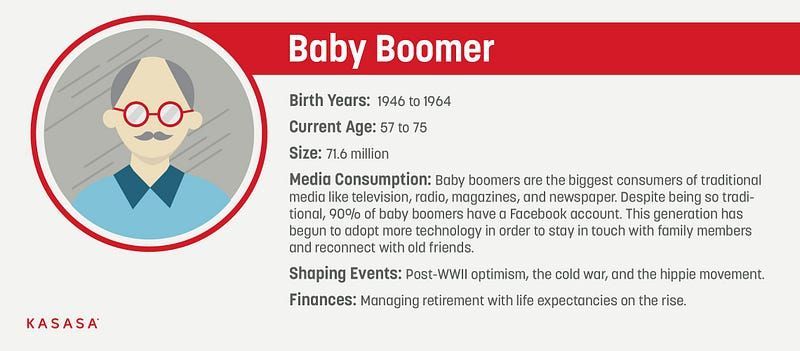
“Millennials,” “Generation Z” or “digital natives”: everyone has heard these terms before; they are now part of contemporary linguistic usage. The first time such a term was used for a generation was with the so-called baby boomers.
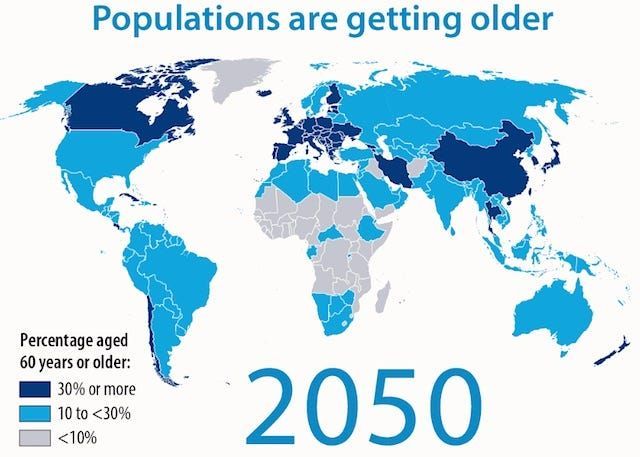
This is the term used to describe the baby boomers who came into the world between 1946 and 1964. In this period after World War 2, prosperity prevailed in the Western world, which also ensured more offspring. The parents of the baby boomers were building a postwar Germany under extremely difficult circumstances of being war-damaged and war-forgotten. After World War 2, advances in medicine led to a worldwide increase in life expectancy. The so-called post-war baby boomers will turn 65 and the health care sector must deliver solutions that go beyond classic elderly care. In fact, The World Health Organization (WHO) estimates that by 2050 there will be 1.5 billion people who are 65 or older. One of the challenges of this older population is the increased need for care.
Yet the innovative power of the health care system does not seem to be able to meet this need well enough. In fact, the current health care system is essentially a sick care system that was built in the middle of the last century and has not evolved much. Certainly, there have been tremendous advances in medical diagnosis and treatment. The structure of care itself is still the same. Nowadays, if you don’t feel well, the first thing you do is visit your family doctor. In the next steps, depending on the emergency, appointments can be made with a specialist at the hospital, tests or scans can be performed. The whole process is lengthy.
Meeting the need for care takes different forms in different parts of the world. In Europe, there is a mix of informal care, state care, and private institutional care in nursing homes and homes for the elderly. Elderly care services include health care, personal care, housekeeping, mental health care and more. The costs are significant and the health care system has still not managed to stop this seemingly unsustainable trend. However, digitization in health care offers new opportunities to protect the health of older people and, above all, to promote independent living in old age. The global digital health market, valued at $73.1 billion in 2017, is expected to reach $223.7 billion by 2023, developing at a compound annual growth rate of 21 percent over the period (2018–2023). This development will be driven by innovative and mobile healthcare technologies.
Holistic medical solution: proactive, preventive, personalized and participative
Technology makes it possible to offer a holistic medical solution. Features include today already a variety of services such as e-prescription and video consultations that save the elderly and less mobile people a trip to the doctor. These innovative approaches will shape the future of the health care industry worldwide as an innovation driver. In this context, it is essential to address the challenges of an ageing society. Digital health for the sake of promoting health ageing and independent living contributes to improving the quality of life of older people and promotes their integration and participation in everyday and working life, as well as encourage independent living within their own house. If successful, this will fulfill an important need for many seniors, but the economic impact cannot be overlooked. It is cheaper to live at home than in a nursing home, and it is also more comfortable for many people.
Digital health changes the lives of elderly people
Digital health will change assisted living in several ways and has the greatest impact on the mental health component. With the appropriate technology, independent living, so important to the psychological well-being of the elderly, is just a click away, for example, with a smartphone. Health promotion is central to ensuring the health of every population, including seniors. Digital health, through medical apps, enables an increase in health literacy and awareness that a doctor is close at hand.
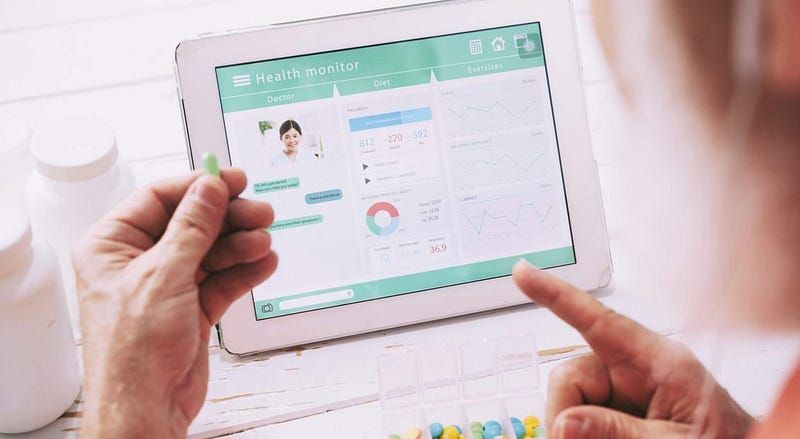
Most chronic diseases require regular health checkups. These doctor appointments are challenging for the elderly due to mobility issues and the risk of cross-infections during these appointments. Digital Health helps bridge this gap. Physicians nowadays can schedule an appointment with elderly patients through telehealth platforms. This saves the elderly from having to leave home for health checks unless absolutely necessary. It is also important to mention here the topic of Health Remote Monitoring. Elderly people are often in need of care due to chronic diseases. Many of them forget to take their medication. Many apps are already able to easily remind seniors to take their medication and monitor their compliance. In addition, keeping an electronic health dossier enables physicians to generate health data and evaluate vital signs to provide personalized patient care immediately.
All in all, the goal must be to exploit the potential of digital transformation and to link individual strands of action into eco-systems for this purpose. Thanks to digital aids, it is possible to live longer and safely alone in one’s own four walls in old age instead of having to move to an assisted living institution. If this succeeds, a great need of many seniors can be fulfilled, but the economic effect should not be underestimated either. Living at home is cheaper than in a care institution, and for many it is also more pleasant.