
Harnessing the power of quantum computing for SDGs
In a rapidly evolving technological landscape, quantum computing has emerged as a groundbreaking innovation.

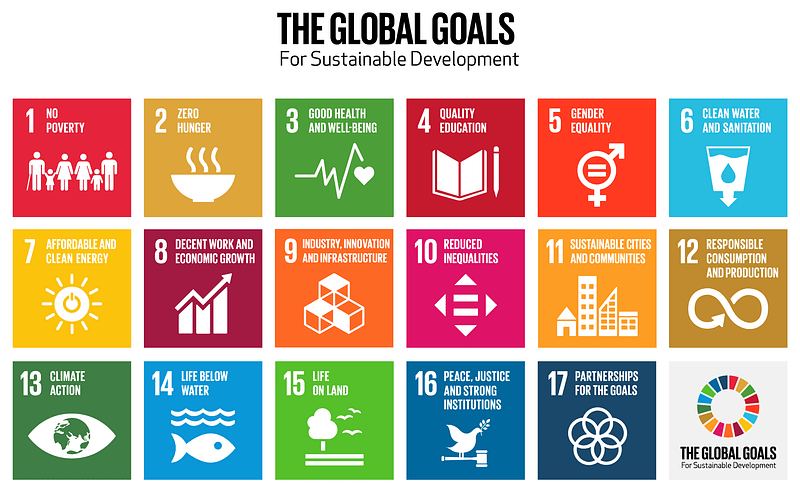
While much of the attention has been focused on the impact of quantum computing on cryptography, finance, and logistics, its transformative power can also be harnessed to address some of the world’s most pressing challenges. The United Nations’ Sustainable Development Goals (SDGs) provide a comprehensive framework for a better, more equitable future, and quantum computing could play a pivotal role in accelerating progress towards these ambitious targets. From optimizing clean energy solutions to revolutionizing healthcare and addressing climate change, quantum computing offers a unique opportunity to propel humanity towards a more sustainable, resilient, and inclusive global society. Despite its potential, quantum computing faces challenges that must be addressed to ensure minimal environmental impact. The energy consumption and cooling requirements of quantum computers can be substantial. Developing more energy-efficient quantum computer architectures, such as topological qubits or photonic quantum computers, and exploring new cooling techniques will be crucial for mitigating these challenges and maximizing the positive environmental impact of quantum computing. Let’s delve into some of the potential applications and challenges of quantum computing in achieving the SDGs.
Clean energy and climate change (SDGs 7 and 13)
Quantum computing can help address global climate change by optimizing renewable energy sources, improving energy storage, and enhancing carbon capture technologies. By simulating complex molecular structures, quantum computers can accelerate the development of new materials and processes for more efficient solar panels, batteries, and carbon sequestration techniques. However, challenges such as energy consumption and cooling requirements for quantum computers must be addressed to ensure the technology’s environmental impact remains minimal.
Healthcare and well-being (SDG 3)
Quantum computing can revolutionize healthcare by enabling more accurate disease diagnosis, personalized medicine, and drug discovery. By simulating molecular interactions at a quantum level, scientists can develop new drugs faster and more accurately, combating diseases like cancer, HIV/AIDS, and COVID-19. However, concerns about data privacy, security, and ethical use of healthcare data must be addressed to harness the technology’s full potential.
Sustainable agriculture and food security (SDG 2)
By optimizing agricultural processes, quantum computing can contribute to sustainable food production and improved nutrition. Quantum computers can help identify optimal crop-growing conditions, predict crop yields, and improve supply chain efficiency, reducing food waste and resource consumption. Challenges include the integration of quantum computing into existing agricultural systems, as well as addressing the digital divide between developed and developing countries.
Economic growth and reduced inequalities (SDGs 8 and 10)
Quantum computing can stimulate economic growth by driving innovation and productivity in various industries. It can also help reduce inequalities by optimizing resource allocation, enabling more efficient and equitable distribution of wealth and opportunities. However, the potential disruption of labor markets due to automation, as well as the risk of exacerbating the digital divide, must be carefully managed through policy interventions and workforce reskilling programs.
A collective effort for sustainable development and inclusivity
Quantum computing offers immense potential for driving progress towards the Sustainable Development Goals (SDGs). However, realizing its full potential necessitates adopting a holistic approach that carefully considers the technology’s applications, challenges, collaborative opportunities, ethical implications, and policy frameworks. A diverse range of applications, from clean energy and climate change solutions to revolutionizing healthcare and sustainable agriculture, demonstrates quantum computing’s potential to address some of the world’s most pressing challenges. Stakeholders must remain vigilant in tackling the challenges that emerge alongside these advancements, such as energy consumption, data privacy, and potential labor market disruptions. Forging partnerships between various stakeholders, including governments, businesses, academia, and civil society, is crucial for facilitating innovation and equitable distribution of quantum computing benefits. These collaborations will help bridge knowledge gaps, share resources, and establish best practices for harnessing quantum computing for sustainable development. In addition, ethical considerations, such as data privacy, security, and responsible technology use, must be at the forefront of quantum computing applications. By collectively developing guidelines and regulations, stakeholders can create a foundation of trust, accountability, and transparency, ensuring alignment with societal values and expectations. Finally, proactive and comprehensive policy and regulation are essential for managing the potential risks and challenges associated with quantum computing. Policymakers must address the digital divide, ensure equitable access to technology, and mitigate potential disruptions to labor markets and economic systems. By adopting a holistic approach and working together, stakeholders can harness the power of quantum computing to create a more sustainable, resilient, and inclusive future for all. This collaborative effort will enable the realization of the Sustainable Development Goals and contribute significantly to global progress and well-being.