
ISMS: People, processes and technology are essential
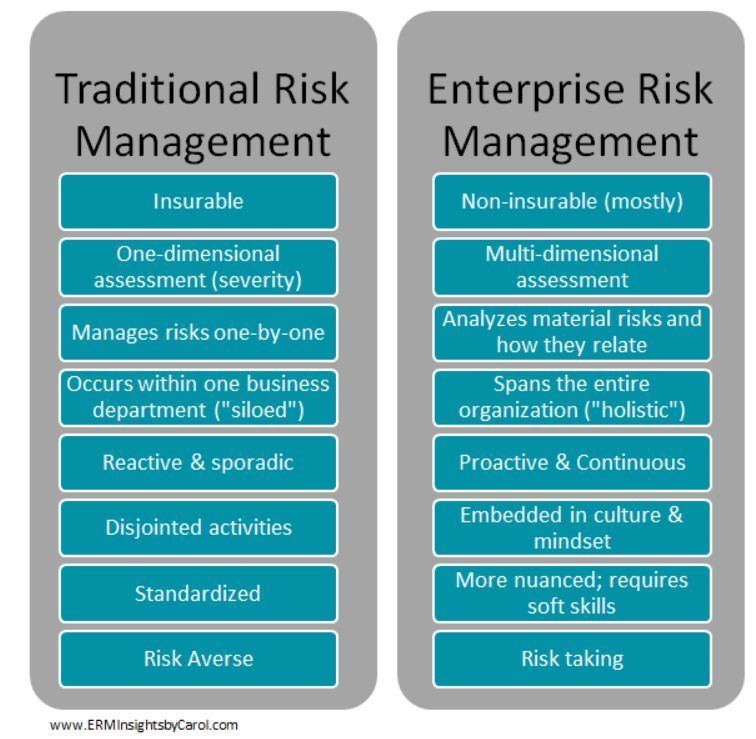
The implementation of procedures and policies within an organization to permanently define, manage, control, maintain, and continually enhance information security is known as Information Security Management System (ISMS). In today's world, the interplay between people, processes, and technology is critical when implementing risk management at any business. Risk management is an ongoing process for identifying information security risks and creating plans for how to mitigate those risks. While the ISMS is designed to build a comprehensive capability for information security management, the transformation to digital requires organizations to embrace continuous improvement and evolution in security policies and controls. The purpose of ISMS is to minimize risks and provide business continuity while pro-actively limiting the effects of security breaches. The purpose of the ISMS is also to integrate IT with enterprise security and to enable effective information security management across various business activities. However, best practices are not always the simplest, and businesses frequently face significant hurdles when implementing an ISMS, such as deploying security controls to outdated systems and unsupported platforms. Organizations in highly regulated industries, such as healthcare or finance, may require a broader range of security operations and risk mitigation techniques.
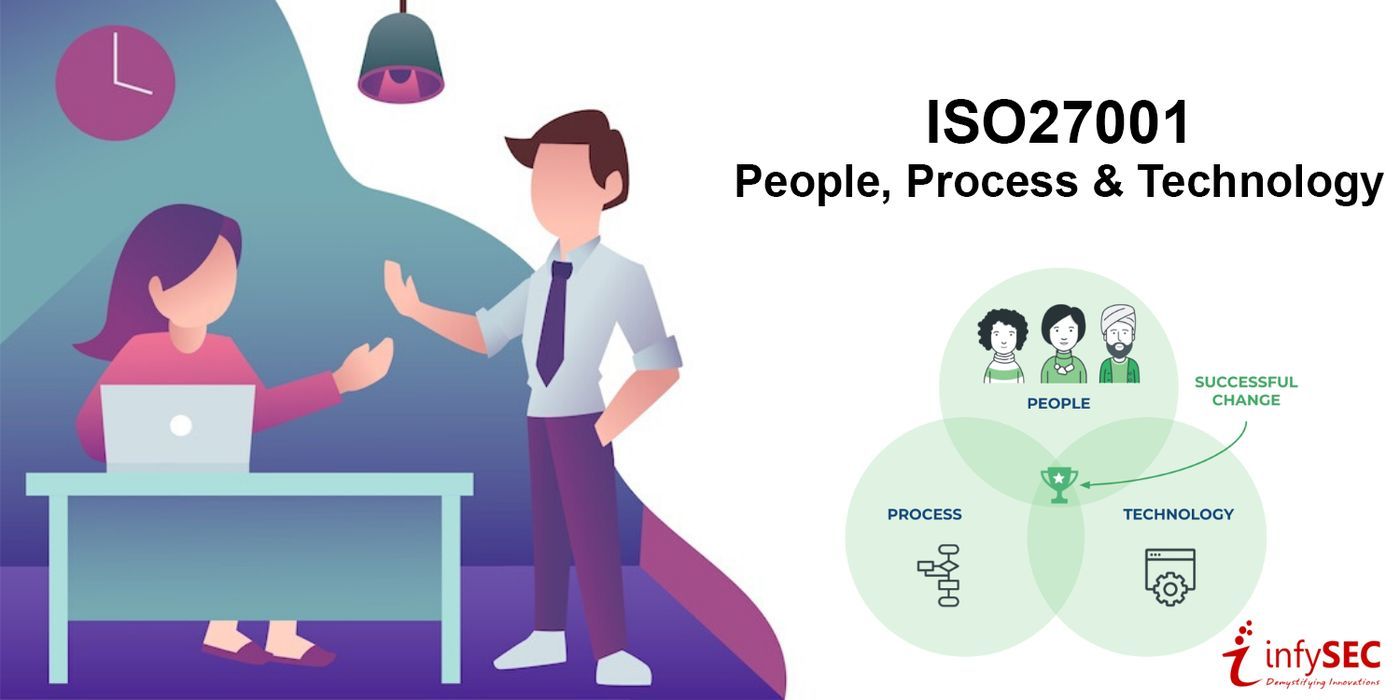
The interplay between people, processes and technology
The governance of information systems is critical to the success of an organization's information systems. Many distinct functions are integrated when the organization for information systems grows larger. Technology is only as effective as the processes that use it, and the people that operate on it. Companies must clearly articulate goals, identify processes, and train people to use the technology fully. If people are not equipped to leverage it, or the process is not able to take advantage of it, the technology is not going to deliver the best ROI. Without full buy-in by people, you cannot deploy any new process or technology. If organizations fail to put strong processes in place, peoples actions are going to be wildly ineffective. If companies place too much emphasis on processes, they will wind up with a fantastic plan on paper but no appropriate people or technology to back it up. Organizations must consider technology that supports people and processes once they have them in place.
People (staff awareness and training), procedures (business policies), and technology (utilization, encryption, data backup, and security) should all be aligned with a well-designed strategy and execution plan, regardless of the size and complexity of your organization. Cross-functional teams should work together to define challenges, set priorities, and approach processes and risk management concerns from a broad viewpoint, taking into account business, compliance, and security goals. Furthermore, when deploying new risk management technologies, it is vital to appreciate the need of involving people at all levels throughout the process and comprehending interdependencies. In doing so, an ISMS protects against both technology-based risks as well as other common threats, such as ill-informed personnel and poor procedures, and makes it possible to quickly recover from severe disasters, protecting information and the availability of key business processes.
Emerging technologies and ISMS: Information security vulnerabilities emerge from ever-deepening complexities
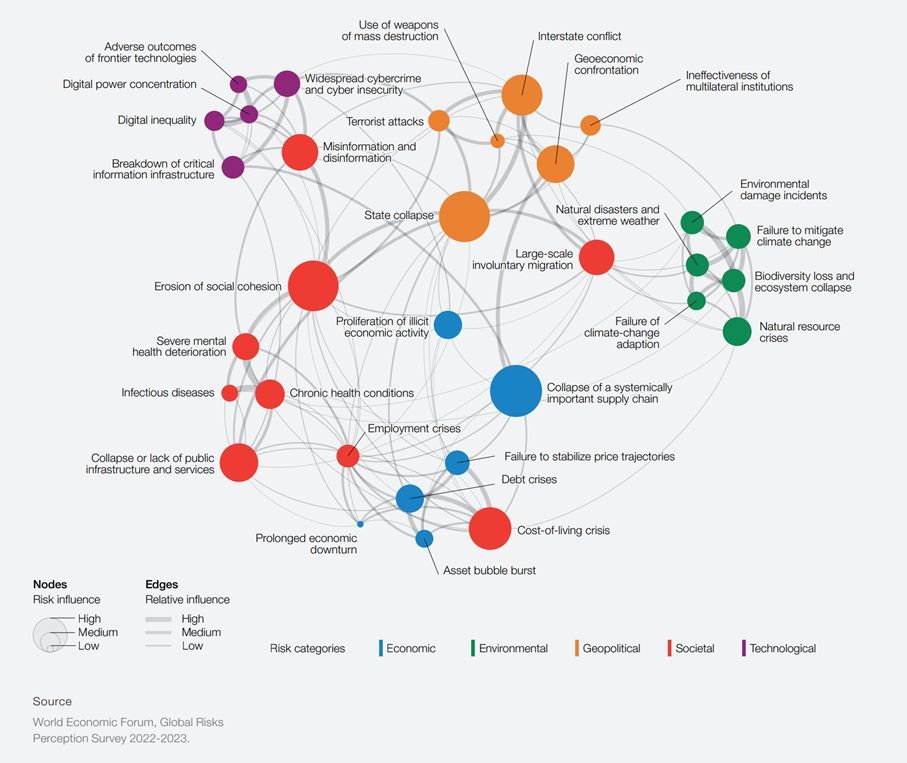
The recently released RIMS (Risk and Insurance Management Society, Inc.) Executive Report provides insight and guidance on integrating emerging risks into the risk management program. The inclusion of so-called "emerging risks" is necessary to avoid future threats. Strikingly, only 27% of companies surveyed in the report consider the impact of emerging risks in their risk assessments. Only 34% take emerging risks into account when defining their corporate strategy. Cloud computing, the Internet of Things (IoT), blockchain, Robotic Process Automation (RPA), Machine Learning (ML), and Artificial Intelligence (AI) are just a few of the new technologies that are changing how people live and work today. New attack forms, such as ransomware-as-a-service (RaaS), are also evolving in response to technological advancements. Companies are moving away from on-premise IT infrastructures and toward cloud-based technologies and shared service providers, as well as automating and connecting manufacturing lines via the Industrial Internet of Things (IIoT) and adopting next-generation digital identification systems. Security professionals and corporate leaders face numerous opportunities and difficulties as a result of today's digital technology and systems.
As the world becomes increasingly connected through technology, information security vulnerabilities emerge from ever-deepening complexities. With the expected widespread adoption of the Internet of Things (IoT) and increased reliance on operational technologies, security approaches must develop. Adopting new technologies is a path forward and emerging technologies must be harnessed for the benefit of businesses. Companies must not remain static in order to remain secure, but it is vital for anyone handling sensitive data to verify that the security mechanisms in place to counteract the risks posed by developing technologies are adequate. Anyone working with sensitive data or developing technologies, not just IT professionals, must be aware of the risks and how to manage them. In today's increasingly complex technological ecosystem, security professionals will need to strengthen their situational awareness, technology awareness, and interact closely with business executives to actively consider how to minimize these developing dangers.
ISMS is decisive for competitiveness
The ultimate purpose of an ISMS is to keep track of the company's policies and procedures for dealing with data breaches for various data and resources, as well as to minimize the harm caused if a data breach occurs. Systematically managing and improving information security require state-of-the-art ISMS software solutions to fully support the fundamental requirements of ISO/IEC 27001 and other norms.
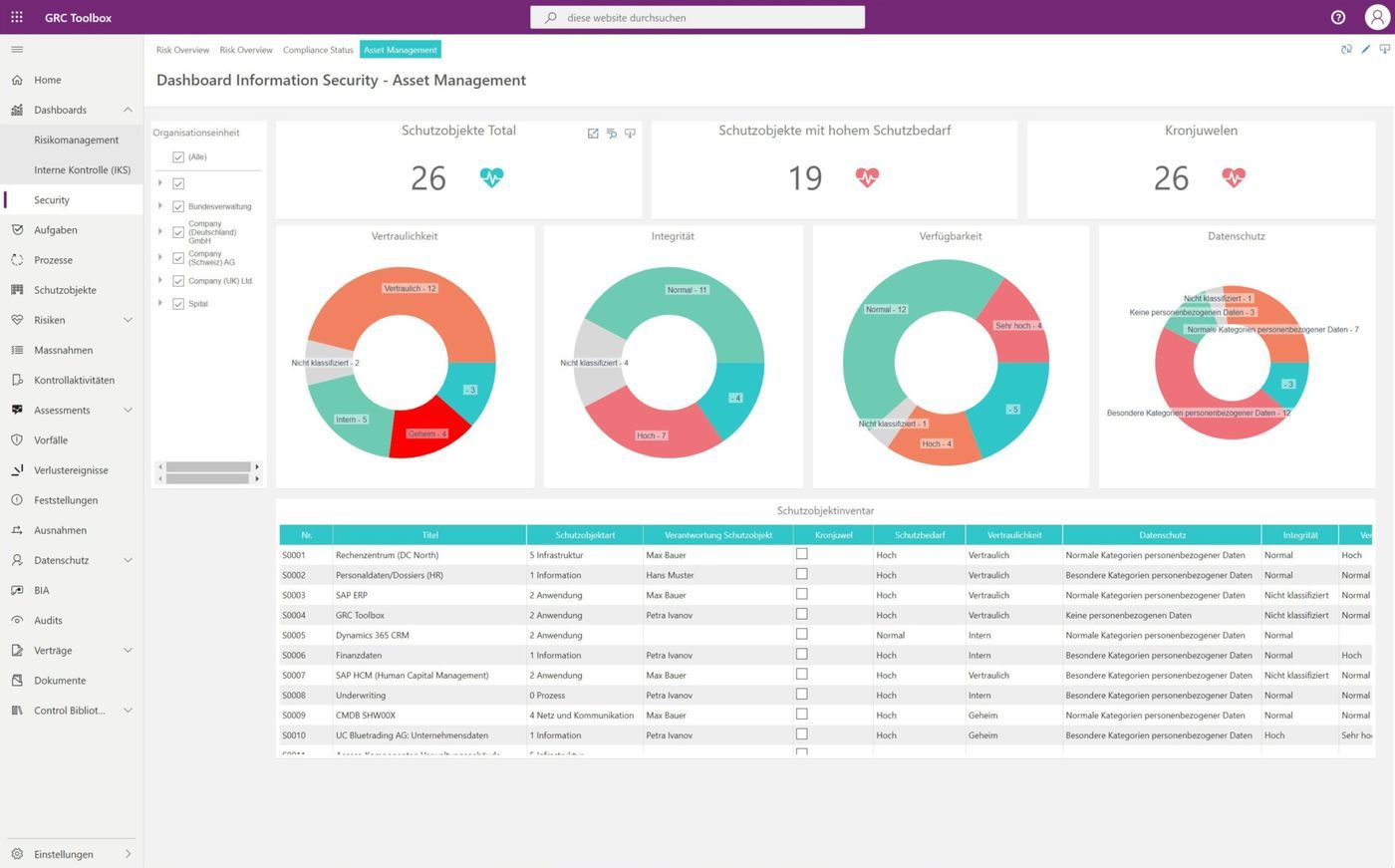
Organizations face the problem of adapting their security control methods while at the same time their threats, cultures, and resources evolve. The importance of information security cannot be emphasized, and most organizations begin their ISMS procedures by defining their goals, involving key stakeholders and top management, and conducting risk assessments. An ISMS's purpose is to reduce the risk of security breaches so that business can continue while simultaneously preserving private customer information. ISMS serves as a record-keeping system for how company data is handled as well as a repository for information security best practices. The act of enabling and maintaining an ISMS raises security awareness and compliance across the organization. Stakeholders will want to work with a trusted service provider. This will preserve the company's information assets and position the company to experience increased sales and growth in the long run. In fact, having an ISMS demonstrates leadership's commitment to securing enterprises and developing market-relevant solutions. It is possible to swiftly expand and grow a business while meeting or exceeding market security requirements with an ISMS in place.
Further reads and cited sources
- Introduction to Information Security Management Systems (ISMS)
- Essential ingredients for ISMS implementation success by Ashish Thapa
- People, Process, Technology: Optimizing Risk Management Initiatives by Adam Billings
- What is an ISMS and why you should implement one by Luke Irwin
- People, Processes & Technology are 3 key pillars of your Information Security Management System (ISMS)
- «I-S-M-S» – Was wirklich hinter den vier Buchstaben steckt by Swiss Infosec AG
- 360° Risk Intelligence in the Extended Enterprise by Michael Rasmussen
- How to define the ISMS scope by Dejan Kosutic
- The People in Information Systems by Dave Bourgeois and David T. Bourgeois
- Emerging technologies: implications for the future of risk management by Stina Connor
- 3 Reasons Why You Should Invest in ISMS by Rabbon
- 8 At-Risk Emerging Technologies by Dan J. Klinedinst
- The Top 3 Emerging Technologies Posing a Cyber-Threat to our Critical National Infrastructure